






Cold Season Survival: The Surprising Ways People Stay Warm When Bills Spike
Winter is supposed to be cozy - blankets, hot drinks, and pretending you’re “embracing the season.” In reality, a lot of people are just trying not to freeze. Heating bills have turned staying warm into a winter sport, and the ways people stretch whatever heat they have paint a far more chaotic and relatable picture of how winter actually works.
Less “aesthetic winter vibes.” More “please let this room stay warm for five more minutes.”
Key findings
- 29% are extremely stressed about heating bills
- 51% cut spending on essentials or personal treats to afford winter utilities.
- 26% lowered their heating to what they consider a dangerously low level.
- 18% borrowed money to pay heating or utility bills.
- 21% stayed over at a date’s home because it was warmer than theirs.
Winter stress rises as bills climb
Heating bills aren’t just costly - they’re emotionally draining. 80% say they feel stressed about staying warm, and 29% say it’s extreme. It’s the kind of background worry that follows you all day: how long you can run the heat, whether the thermostat is too high, what the next bill will look like.
In the UK, this stress is even sharper. Older homes lose heat fast, gas prices swing, and staying warm becomes a strategy rather than a comfort.
A growing share of income goes to staying warm
Heating isn’t just a minor expense - it’s a budget-shaping force. For 38%, winter utilities consume 10–20% of their monthly income. Another 21% spend between 20–30%, and 11% spend more than 30%.
In the UK, the numbers skew higher. More than a quarter of respondents said that 20–30% of their income goes directly to heating and electricity, and 5% reported spending more than half of their monthly income on energy alone.
Borrowing money becomes a winter strategy
Utility bills don’t pause, even when budgets do. That’s why 18% of respondents borrowed money to cover heating or electricity through credit cards, small loans, or help from friends and family. It wasn’t an emergency move; it was simply the cost of staying warm month after month.
In the UK, this trend intensifies: 22% said they borrowed at least once to keep their home warm. It reveals a quieter, more persistent kind of strain, one where people absorb rising bills not through big lifestyle changes, but through debt they never planned for.
What people give up when heat becomes a luxury
To keep up with rising utilities, more than half (51%) reduced spending in other areas. The most common cuts involved social activities (46%), groceries (37%), and holiday gifts.
Some respondents mentioned canceling streaming services, delaying beauty or skincare purchases, or avoiding online shopping.
For 19%, there was nothing left to cut - their budgets were already stretched thin before winter even began.
The “DIY warmth” tactics people actually use
When heating feels like a luxury, people get creative - sometimes worryingly creative. The survey shows that staying warm isn’t a cozy candlelit aesthetic; it’s a patchwork of hacks, habits, and borderline-chaotic improvisation.
Most people start with the basics: nearly 59% layer up indoors, turning their living rooms into makeshift ski lodges. Another 36% rely on scalding hot “survival showers” - not for relaxation, but because it’s the only reliably warm moment of the day. And 17% even sleep in coats, which is about as far from hygge as winter can get.
But the coping strategies don’t stop there. A surprising 14% heat their home using the oven, and 13% admit they’ve turned to alcohol to feel warmer, despite it making you colder in reality. A small but telling 4% even moved somewhere warmer temporarily, treating winter like a mini climate-migration season.
When home is too cold, people warm up anywhere they can
When the house feels like a fridge, people get inventive. Work becomes accidental warming centre: 44% admit they stay longer at work just to avoid going home to a freezing flat. Another 38% head to a friend’s or partner’s place for warmth - the modern-day version of “borrowing a cup of sugar,” except it’s radiators.
Public spaces have quietly turned into heat havens, too. 28% warm up at the mall, 21% stretch out gym sessions far beyond the workout, and 18% linger in libraries because they’re one of the few reliably warm public spots. And a surprising 26% ride public transport longer than needed, treating buses and trains like cheap mobile heaters.
Inside the Coldest Homes This Winter
In the UK, cold homes aren’t an anomaly - they’re a season. With some of the least insulated housing in Europe, heat disappears fast, and budgets disappear even faster. That’s why nearly 1 in 4 Brits (23%) say their home drops below 16°C (60°F) most nights, and 17% barely use their heating at all because they simply can’t afford it. Another 12% say it gets cold enough to see their breath indoors.
Most Americans keep their homes just warm enough to cope, but 28% say their home regularly falls to 60–65°F (15–18°C), and 10% say it dips under 60°F (15°C) at least sometimes. A smaller but telling 4% say they rarely use their heating at all due to cost, not because they prefer it cold, but because the bill is worse.
The Winter of ‘Do You Have Heating?’ Replacing ‘What’s Your Type?’
Winter didn’t just push people to rethink their budgets – it quietly rewired their relationships too. Suddenly, warmth became a shared resource, a negotiation, and, in some cases, a surprisingly strong motivator for intimacy.
Most couples leaned straight into survival mode. 63% said cuddling became their primary heating method, turning evenings into a two-person insulation system. Another 41% admitted they confined their entire day to one heated room - eating, working, lounging, everything - because it simply wasn’t worth warming up the rest of the house. And 29% said showering together became part of the routine, not for romance, but because the bathroom was the only reliably warm spot.
Even sex picked up an unexpected “thermal” purpose. 33% said it helped them stay warm because the room was freezing. Romance? Optional. Body heat? Non-negotiable.
Dating life wasn’t exempt from heating logic either. 23% stayed over at a date’s place because it was warmer, essentially treating dating as a temperature-based decision. And when things got really cold, practicality beat pride: 18% considered moving in early because someone had a warmer home, while 22% seriously thought about co-living just to split the heating bills.
But the most chaotic detail? 12% said they considered reconnecting with an ex purely for warmth or cheaper bills. Not for closure. Not for love. Just because the ex had better heating.
The Cold Truth About This Winter
What this survey makes clear is that winter didn’t hit all at once - it built up through small, constant pressures. The clearest sign? A quarter (26%) lowered their heating to a level they personally consider unsafe, and another 5% went further and turned it off completely.
Still, people adapted. They shifted routines, stretched warmth where they could, leaned on small habits, and found ways to stay comfortable despite the cold.
Methodology
To create this study, researchers from Casinos Analyzer surveyed 1,500 participants of all genders, aged 21 and over. The survey focused primarily on respondents from the UK and the US, capturing their experiences, spending habits, and coping strategies during the winter season. All participants completed the survey online.
Similar articles

From Silicon Valley founders to old-money heiresses, the world’s richest people have little in common — except, surprisingly, their first names. John, Michael and Maria appear again and again across the global billionaire list, suggesting that when it comes to extreme wealth, some names may be luckier than others.
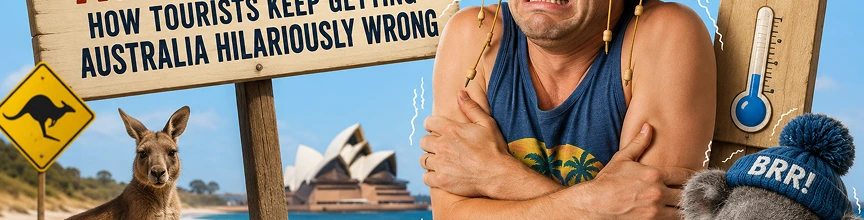
They save for years, plan for months and picture themselves sun-drenched on Bondi Beach. Then they land in the middle of an Australian winter clutching a suitcase full of swimwear and a single very optimistic cardigan. New research from Casinos Analyzer Australia reveals just how many holidaymakers are getting the Land Down Under completely, hilariously wrong.
The betrayal that ends relationships is moving from the phone to the bank account. New research finds hiding money is now more common than hiding an affair.
